





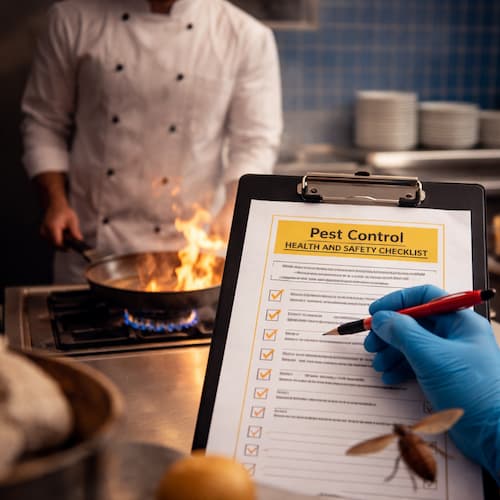
A single pest sighting in your restaurant can trigger a cascade of problems: failed health inspections, negative reviews, lost customers, and in the worst cases, temporary closure orders. For food business owners in Massachusetts, pest management isn’t just about comfort—it’s a legal requirement and a critical component of food safety compliance.
This guide will help you understand health code requirements, prepare for inspections, implement effective pest prevention, and protect your business from expensive shutdowns.
Why Pest Management Matters for Food Businesses
The Reality of Pest-Related Violations
According to the FDA, pest-related violations are among the top reasons restaurants receive critical citations during health inspections. In Massachusetts, the Department of Public Health takes pest management extremely seriously—and violations can result in:
- Points deducted from your health inspection score
- Conditional license status (permitted to operate with restrictions)
- Immediate closure if evidence of active infestation is found
- Fines ranging from hundreds to thousands of dollars
- Mandatory remediation before reopening
- Permanent damage to your reputation
Beyond regulatory consequences, pests pose genuine food safety and public health risks. Rodents carry diseases, insects contaminate food, and both can cause serious foodborne illness outbreaks.
Massachusetts Health Code Requirements for Pest Management
Key Regulatory Framework
Massachusetts follows the FDA Food Code adapted into state regulations under the Department of Public Health (DPH). Food establishments must comply with several key pest management standards:
1. Facility Design & Maintenance
- All entry points must be sealed or protected to prevent pest entry
- Gaps around pipes, doors, and foundation cracks must be sealed
- Doors must close automatically and seal properly
- Window screens must be intact and properly maintained
- Exterior walls, vents, and openings must have rodent-proof screens
2. Sanitation Standards
- Food storage areas must be kept clean and free of pest harborage
- Trash must be stored in sealed, pest-proof containers
- Grease traps and drainage systems must be regularly cleaned
- No food debris or spills left overnight
- Dry storage areas must have proper ventilation to prevent moisture that attracts pests
3. Pest Control Procedures
- Restaurants must have a written pest management plan
- Pesticide applications (if used) must be performed by licensed professionals only
- Chemical storage must be segregated from food and food contact surfaces
- All pesticides must be EPA-approved for food service areas
4. Documentation Requirements
- Records of pest control service visits
- Inspection reports and findings
- Corrective actions taken
- Dates and types of treatments applied
Health Department Inspection Requirements
What Inspectors Look For
Massachusetts health inspectors conduct routine and complaint-based inspections. Here’s what they specifically examine for pest management:
Visual Inspection Points:
- Exterior: Gaps in walls, damaged screens, visible droppings, evidence of rodent activity
- Entry points: Loose door seals, gaps under doors, unsealed pipe penetrations
- Storage areas: Pest traps, droppings, gnaw marks, signs of infestation
- Kitchen: Food storage containers (pest-proof?), cleanliness, drainage systems
- Back-of-house: Dumpster area, receiving dock, waste disposal areas
Documentation Review:
- Do you have a current pest control contract?
- Are service records complete and dated?
- Is there evidence of corrective action when pests are found?
- Are trap inspections documented?
Inspection Scoring System
Pest management violations are classified as:
| Violation Type | Impact | Example |
|---|---|---|
| Critical | Immediate points deduction, can trigger closure | Active pest infestation; rodent droppings in food prep areas |
| Major | Points deducted, must be corrected | Gaps allowing pest entry; improperly sealed food storage |
| Minor | Points deducted, corrected by next inspection | Single gap in screening; outdated pest service records |
A typical inspection score is out of 100 points, and violations result in deductions. Scores below 70 typically trigger corrective action orders.
10 Best Practices to Avoid Pest-Related Shutdown
1. Implement a Written Pest Management Plan
Create a formal, documented plan that includes:
- Identification of potential pest entry points
- Preventative measures (sanitation, exclusion, monitoring)
- Types of pests common to your area
- Pest control contractor contact information
- Response protocol if pests are detected
- Frequency of inspections and treatments
Share this plan with your entire staff. Everyone from managers to dishwashers should understand pest prevention is their responsibility.
2. Seal All Entry Points
Rodents can squeeze through gaps as small as 1/4 inch. Conduct a thorough inspection and seal:
- Gaps around pipes and utility lines (use caulk or expanding foam)
- Gaps under doors (install door sweeps or thresholds)
- Spaces in walls around air vents
- Gaps in foundation or exterior walls
- Holes in window screens (replace damaged screens immediately)
Pro tip: Conduct exterior inspections quarterly—seasonal changes can create new entry points.
3. Partner with a Licensed Pest Control Professional
- Hire only EPA-registered and Massachusetts-licensed pest control contractors
- Schedule regular inspections (monthly for high-risk establishments)
- Use only EPA-approved pesticides appropriate for food service areas
- Ensure chemical applications happen during closed hours
- Request detailed inspection reports after each visit
A quality pest control partner is your insurance policy against infestations. Don’t choose based on price alone.
4. Maintain Rigorous Sanitation Standards
Pests are attracted to food and moisture. Eliminate these attractants:
- Daily: Clean food prep surfaces, sweep floors, remove trash
- End of shift: Clear all food debris from equipment and storage areas
- Weekly: Deep clean under/behind equipment, clean grease traps
- Monthly: Power wash exterior areas, clean dumpster enclosures
- Ongoing: Fix leaks immediately (standing water attracts insects)
No matter how good your pest control, poor sanitation will undermine everything.
5. Properly Store All Food & Ingredients
- Use airtight, pest-proof containers for dry goods (flour, rice, cereals, spices)
- Label containers with dates and contents
- Store food at least 6 inches off the floor on shelves
- Keep refrigerated items properly sealed
- Rotate stock using “first in, first out” (FIFO) method
- Never store food in cardboard boxes (pests can chew through)
6. Monitor with Pest Traps & Documentation
- Install monitoring traps (snap traps, glue traps) in strategic locations
- Mark trap locations on a facility map
- Check traps at least weekly and document findings
- Record date, location, and any pests caught
- This documentation proves due diligence to health inspectors
Keep records in a dedicated pest management log that inspectors can review.
7. Manage Waste Properly
- Use sealed, rodent-proof dumpsters (lids must close completely)
- Empty trash daily, especially in food prep areas
- Keep dumpster area clean and free of spilled food
- If possible, use a dumpster enclosure to further prevent pest access
- Schedule dumpster cleaning regularly (weekly or bi-weekly)
Trash is a pest magnet. Treat waste management as seriously as food storage.
8. Train Your Staff
Your team is your first line of defense. Train all employees on:
- Recognizing signs of pest activity (droppings, gnaw marks, dead insects)
- Proper food storage and sanitation practices
- Reporting any suspected pest issues immediately
- Preventing pest entry (closing doors promptly, keeping areas clean)
- The consequences of pest violations (shutdowns, fines, lost revenue)
Conduct pest management training during onboarding and refresher training annually.
9. Maintain Facility Repairs Proactively
Small maintenance issues become big pest problems:
- Repair broken door seals within 48 hours
- Replace damaged window screens immediately
- Fix cracks in walls or foundation as soon as discovered
- Repair plumbing leaks (water sources attract pests)
- Maintain HVAC systems to prevent moisture buildup
Create a maintenance checklist and assign responsibility for regular inspections.
10. Prepare Documentation for Inspections
When a health inspector visits, have the following ready:
- Pest control contract and service provider contact information
- Service records from your pest control contractor (last 12 months)
- Log of trap inspections and any findings
- Facility maintenance records showing repairs completed
- Staff training records for pest management
- Corrective action documentation if previous violations were found
Organized, complete documentation demonstrates compliance and can reduce violations.
Common Pest Violations & How to Avoid Them
| Violation | Why It Happens | How to Prevent |
|---|---|---|
| Rodent droppings in food prep areas | Poor sanitation, unsealed entry points | Daily deep cleaning, pest control service, seal gaps |
| Gaps allowing pest entry | Deferred maintenance, old construction | Monthly exterior inspections, prompt repairs |
| Improperly stored dry goods | Staff not following protocols | Use pest-proof containers, staff training, supervision |
| Non-functional pest traps | Outdated or ignored monitoring | Weekly trap checks, documented records, active pest control |
| Inadequate pest control documentation | No written plan or contractor records | Hire licensed contractor, maintain service records, create pest log |
| Dirty dumpster area | Neglected waste management | Weekly dumpster cleaning, sealed lids, daily trash removal |
| Standing water/moisture | Maintenance issues, poor drainage | Fix leaks immediately, improve ventilation, clean drains regularly |
| No written pest management plan | Lack of awareness or preparation | Develop formal plan, train staff, review with management |
Key Takeaways
- Pest management is a legal requirement, not optional. Massachusetts health codes mandate specific pest prevention and control measures.
- Prevention is cheaper than response. A proactive approach costs far less than emergency remediation and violation fines.
- Documentation is your defense. Complete records of pest control service, staff training, and corrective actions demonstrate compliance to inspectors.
- Staff training is essential. Every team member must understand their role in preventing pest infestations.
- Partner with professionals. Work with licensed pest control contractors who understand food service requirements.
- Consistency matters. One-time efforts aren’t enough—pest management requires ongoing attention and monitoring.
- Violations can trigger closure. A single serious violation can result in temporary or permanent closure of your business.
Next Steps
If you’re uncertain about your current pest management practices, don’t wait for a health inspection to find problems. Contact a licensed pest control professional today to conduct a comprehensive assessment of your facility.
For restaurants in Massachusetts, MA Pest Control LLP can help you develop and implement a compliant pest management program tailored to your specific business. We work with restaurants to ensure you pass inspections and maintain a pest-free, safe environment for your customers and staff.
Your business’s reputation and financial health depend on it.
This guide provides general information about Massachusetts pest management compliance. Always consult your local health department for specific requirements in your jurisdiction, and work with licensed professionals to ensure full compliance.






Leave a Reply
You must be logged in to post a comment.