







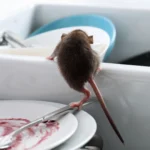
Your kitchen can be spotless and still have rats.
Cleaning removes food debris. It doesn’t seal a gap under a door, a cracked drain, or a loose utility line. Rodents aren’t looking for mess — they’re looking for food, water and shelter, and a clean kitchen can hand over all three without anyone noticing.
Rodents aren’t chasing mess. They’re chasing three things.
Every entry, every nest, every return visit comes down to the same short list. Take any one away and a kitchen stops being worth the risk.
Food
Residue under fridges, behind equipment, near bins and in receiving areas — small amounts, easy to overlook, enough to matter.
Water
Condensation, slow leaks, damp drains and standing water near cleaning stations give rodents everything they need to stay.
Shelter
Wall voids, ceiling spaces and quiet storage corners offer concealment — especially once the kitchen goes quiet after close.
Where the building lets them in
- → Small gaps around doors
- → Damaged drains and drainage covers
- → Plumbing and utility openings
- → Cracks in walls and floors
- → Gaps around pipes and cables
- → Ventilation openings
- → Loading and unloading zones
- → Poorly sealed service entrances
The surrounding environment counts too
Nearby garbage areas, drains, markets, construction sites and vacant lots all shape how much rodent pressure a building faces — regardless of how it’s kept inside.
That’s why an effective programme looks at the block, not just the kitchen: what’s next door often explains what shows up under the counter.
What to check before it becomes a problem
Run this during a slow moment each week. Ticking every box doesn’t mean you’re done for good — it means you caught this week’s risks.
- Check gaps beneath all exterior doors
- Inspect drains and drainage covers
- Look for damaged food packaging
- Check behind refrigerators and equipment
- Inspect dry and cold storage areas
- Keep waste containers properly closed
- Remove food waste regularly
- Check for droppings or gnaw marks
- Inspect utility and plumbing entry points
- Monitor loading and receiving areas
Not a trap. A process.
A trap deals with one rodent. It doesn’t tell you how the next one gets in. The professional route follows five steps in order:
A rat is never just about the rat
Contamination
Rodents can reach food-contact surfaces and stored product directly.
Disruption
Chewed cables, damaged packaging and closed sections slow the kitchen down.
One sighting is enough
A single visible rat can undo years of customer trust in an evening.
Cost of delay
Damaged inventory and equipment usually cost more than prevention would have.
Frequently asked
Yes. Cleanliness cuts down food and waste attractants, but rodents can still get in through structural gaps, drains, doors and utility openings.
Rats go where food, water and shelter are reliably available. A working kitchen can supply all three without anyone intending to.
Droppings, gnaw marks, damaged packaging, scratching sounds after hours, grease marks along walls and unusual odours are the usual first signals.
No. A proper programme covers inspection, monitoring, sanitation guidance, exclusion work and targeted treatment matched to what’s actually present.
Don’t wait for a customer to see the rat first.
MA Pest Control LLP inspects, seals and monitors restaurants, hotels and commercial kitchens — so the problem gets found before it gets noticed.







Leave a Reply
You must be logged in to post a comment.