





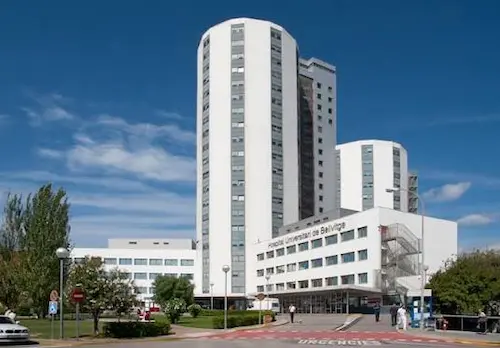
Hospital Facility Hygiene
The invisible threat moving through every floor.
Cockroaches travel from drains and waste rooms into wards, kitchens and pharmacy storage — quietly undermining every sterilisation protocol a hospital relies on. Here’s why pest control belongs at the centre of infection prevention.
Why it matters
A single cockroach can undo a room full of sterile protocol.
Hospitals unintentionally offer everything a cockroach needs — warmth, moisture, food waste, and hard-to-inspect gaps in kitchens, drains, and false ceilings. Patients with weakened immune systems have far less margin for error than the rest of us.
What they carry
Vectors between contaminated and clean zones.
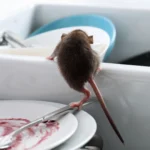
Cockroaches move through sewage lines and waste bins before crossing onto floors, equipment, and food prep surfaces. Their presence doesn’t guarantee infection — but it is a documented hygiene risk hospitals can’t ignore.
Hard to inspect
Where cockroaches hide inside a hospital.
Most infestations don’t start in visibly dirty places. They start in the gaps nobody checks daily — and nocturnal activity means the worst of it happens after visiting hours. Move your cursor over a zone.
False ceilings
Warm, dark, and rarely opened — ideal shelter directly above sterile workspaces.
ICU utility rooms
High equipment density near one of the hospital’s most vulnerable patient groups.
Medical gas pipelines
Conduits and service ducts offer uninterrupted movement between floors.
Kitchen drains
Food residue and moisture make this the highest-risk entry point in most facilities.
Pharmacy storage
Cardboard packaging and quiet shelving create undisturbed nesting conditions.
Waste collection rooms
A direct link between external contamination sources and internal hospital traffic.
Patient perception
Hygiene is judged in a single glance.
A family member doesn’t need a lab report to lose confidence — one sighting in a waiting area or ward is enough. In a world of instant photos and reviews, that moment can outlast any clinical outcome in the public’s memory.
Approach
Why over-the-counter sprays fall short in hospitals.
Clinical environments need treatment scheduled around patients and operations — not guesswork.
DIY / Reactive
- Treats symptoms, not entry points
- No monitoring or documentation
- Risk of disrupting clinical operations
- No long-term prevention plan
Professional IPM Programme
- Identifies and seals entry points
- Scheduled monitoring with digital reporting
- Hospital-appropriate treatment methods
- Supports infection control compliance
Early warning
Signs your facility needs an inspection.
MA Pest Control LLP
Planned, preventive, and compliant — built for healthcare environments.
We help hospitals, nursing homes, and diagnostic centres maintain cleaner, safer environments for patients, visitors, and staff.




Leave a Reply
You must be logged in to post a comment.